
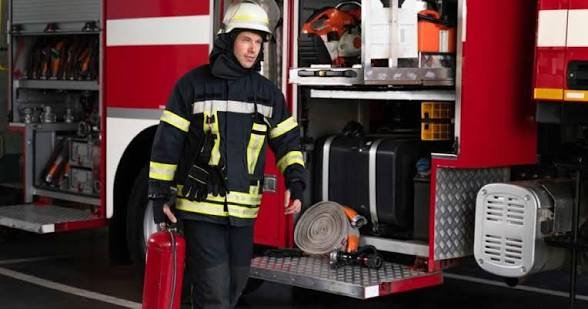
Fire safety is important for every business, regardless of its size. A small shop, office, workshop, salon, bakery, or home-based business may seem less risky than a large factory, but even a small fire can damage property, interrupt business operations, and put lives in danger.
In Pakistan, many small businesses operate in rented buildings, residential properties, markets, and shared commercial spaces. These environments can have different fire risks, including overloaded electrical sockets, faulty wiring, cooking equipment, gas appliances, combustible packaging, and blocked exits. Without proper precautions, a minor problem can quickly become a serious emergency.
Homeowners who run businesses from their properties also need to consider how business activities affect the safety of family members, employees, customers, and visitors.
This guide explains how small businesses can reduce fire risks, prepare for emergencies, and understand the role of a fire alarm system in Pakistan. The goal is to make fire safety easier to understand and apply in everyday business operations.
Why Fire Safety Matters for Small Businesses
Small businesses often operate with limited space, staff, and resources. Owners may focus on sales, customer service, stock management, and daily expenses, leaving safety checks until later. Unfortunately, overlooking fire prevention can create unnecessary risks.
A fire can damage equipment, furniture, stock, documents, computers, and electrical installations. It may also force a business to close temporarily or permanently. Even if the physical damage is limited, smoke, water used during firefighting, and disruption to nearby premises can create additional losses.
Fire safety also protects people. Employees and customers need enough time and a clear route to leave a building safely if an emergency occurs.
For homeowners, the risks can extend beyond the business area. A fire in a home office, storeroom, workshop, or kitchen may spread to family living spaces. Keeping business materials separate from household activities can help reduce this danger.
A practical fire safety plan does not have to be complicated. It starts with identifying hazards, maintaining equipment, keeping exits clear, and making sure everyone knows what to do during an emergency.
1. Identify Common Fire Hazards
The first step is to understand what could start a fire at your premises. Different businesses face different risks, so owners should assess their actual working environment.
Common hazards include:
- Electrical faults: Damaged cables, loose connections, faulty equipment, and overloaded sockets can create dangerous conditions.
- Cooking equipment: Restaurants, bakeries, food stalls, and home kitchens may experience fires involving cooking oils, gas appliances, or nearby combustible materials.
- Flammable liquids: Paints, solvents, cleaning products, and certain workshop materials may ignite if stored or handled incorrectly.
- Combustible stock: Cardboard boxes, paper, fabrics, foam, and plastic packaging can help a fire spread.
- Heating and cooling equipment: Poorly maintained appliances and unsafe placement near combustible materials may increase fire risks.
- Smoking materials: Carelessly discarded smoking materials can ignite rubbish or other combustible items.
- Gas appliances: Poor installation, damaged connections, or inadequate ventilation can create fire and other serious hazards.
Walk through the workplace and inspect each room, storage area, kitchen, and electrical point. Consider where a fire could start, what could burn, and how people would leave the building.
Record any hazards that need attention. Serious electrical or gas problems should be assessed by qualified professionals rather than handled through improvised repairs.
2. Make Electrical Safety a Daily Priority
Electrical problems are an important concern for small businesses, especially in workplaces that use computers, printers, refrigerators, machinery, air conditioners, or other high-power equipment.
Avoid connecting too many appliances to a single socket or extension board. Use suitable electrical equipment, and make sure circuits and wiring are appropriate for the connected load.
Inspect visible cables and plugs for damage. Stop using equipment that shows signs of overheating, produces unusual smells, sparks, or repeatedly trips a circuit breaker. Arrange professional inspection and repair before using it again.
Other useful precautions include:
- Keep electrical panels accessible and free from stored items.
- Never ignore repeated circuit-breaker trips.
- Use qualified electricians for installation, repair, and upgrades.
- Keep electrical equipment away from water and damp areas.
- Switch off equipment when it is safe and appropriate to do so.
- Avoid running cables under carpets or through areas where they may be crushed or damaged.
In Pakistan, businesses may also use backup power systems, generators, and uninterruptible power supplies. These should be installed and maintained according to the manufacturer’s instructions, with suitable ventilation and safe fuel arrangements where applicable.
Do not use an electrical appliance that is visibly damaged simply because it still appears to work.
3. Understand the Role of a Fire Alarm System
Early warning can make a significant difference during a fire emergency. Smoke or heat may develop before occupants notice flames, especially in storerooms, offices, or areas that are not continuously occupied.
A fire alarm system is designed to detect a fire-related condition or allow someone to raise an alarm, then warn people in the building. Depending on the system, it may include automatic detectors, manual call points, control equipment, audible alarms, and visual warning devices.
For a small business, the appropriate arrangement depends on factors such as the building’s size, layout, use, number of occupants, and specific hazards.
A simple standalone smoke alarm may be suitable for some limited applications, but it is not a substitute for a properly designed fire detection and alarm system where a larger or more complex building requires one.
When assessing a fire alarm system in Pakistan, business owners should consider:
- Building requirements: Confirm which systems are required for the building’s occupancy, size, and local approval conditions.
- Detection coverage: Detectors should be appropriate for the environment and placed according to the system design.
- Warning devices: Alarms must be suitable for alerting occupants throughout the areas they protect.
- Power supply: The system should have the required backup arrangements to maintain operation during a power interruption.
- Professional installation: Equipment should be installed and commissioned by competent professionals.
- Regular testing: Inspections, tests, and maintenance should follow the manufacturer’s guidance and applicable requirements.
A fire alarm does not extinguish a fire. Its main purpose is to provide warning so people can respond promptly. Staff must understand what the alarm sounds like and which evacuation procedures to follow.
Never assume that a system is working simply because its control panel appears normal. Testing and maintenance are essential.
4. Keep Suitable Fire Extinguishers Available
Portable fire extinguishers can help trained people tackle a small fire when the situation is safe and an escape route remains clear. However, the wrong extinguisher can make a fire more dangerous.
Different types are intended for different fire risks. For example, ordinary combustible materials, flammable liquids, and energised electrical equipment require different considerations. Some extinguishing agents are unsuitable for particular hazards.
Business owners should select extinguishers based on a professional assessment of the premises rather than choosing equipment based only on price.
Keep these points in mind:
- Install extinguishers in accessible, clearly identified locations.
- Make sure staff can find them without passing through a hazardous area.
- Keep access unobstructed.
- Arrange inspections and servicing according to the equipment’s requirements.
- Provide suitable training to designated staff.
- Replace or service equipment that is damaged, discharged, or otherwise unfit for use.
If a fire is spreading, smoke is building up, or anyone is in immediate danger, evacuate rather than attempting to fight the fire. Never allow firefighting efforts to block an escape route.
Businesses should also understand that extinguishers are only one part of fire protection. They do not replace alarms, safe exits, preventive maintenance, or evacuation planning.
5. Keep Emergency Exits Clear
Every business needs a reliable way for people to leave during an emergency. A clearly marked exit is not useful if boxes, furniture, stock, or equipment block the route.
Inspect all exit doors, corridors, stairways, and passageways regularly. Make sure doors can be opened promptly from the inside as required and that locks or security arrangements do not prevent safe evacuation.
In small shops and offices, it can be tempting to use an exit corridor for extra storage. This practice should be avoided. Deliveries and stock should be placed in designated storage areas instead.
Important exit precautions include:
- Keep escape routes free from obstructions.
- Display clear exit signs where required.
- Provide emergency lighting where applicable.
- Make sure employees know the available escape routes.
- Keep fire doors in working condition and do not wedge them open.
- Identify an appropriate outdoor assembly point.
- Consider how customers, children, older people, and people with disabilities will leave safely.
If the business operates inside a shared commercial building, coordinate evacuation arrangements with the building owner or management. Do not assume that another tenant is responsible for every safety measure.
6. Store Materials Safely
Storage practices can either reduce or increase the speed at which a fire spreads. Paper, fabrics, packaging, plastics, and other combustible goods should be organised so they do not create unnecessary hazards.
Keep stock away from heat-producing equipment, electrical panels, and other identified ignition sources. Do not allow waste cardboard, packaging, or rubbish to accumulate near work areas or exits.
Flammable liquids and other hazardous products should be stored in suitable containers and designated locations in accordance with their safety instructions and applicable regulations. Keep them away from ignition sources and ensure appropriate ventilation where required.
For home-based businesses, separate commercial stock from household cooking, heating, and sleeping areas whenever possible. Avoid turning escape routes, stairways, or doorways into storage spaces.
A clean and organised workplace is easier to inspect, easier to evacuate, and less likely to contain overlooked hazards.
7. Prepare a Simple Fire Emergency Plan
A written emergency plan helps employees respond consistently instead of making decisions under pressure. Even a small business can benefit from a short, clearly explained procedure.
The plan should identify:
- How to raise the alarm.
- Which exits people should use.
- Where everyone should assemble outside.
- Who will contact emergency services.
- How staff will report missing people without re-entering the building.
- How visitors and customers will be guided to safety.
- Who will provide relevant information to responding emergency personnel.
Display the plan where staff can read it, and explain it to new employees during induction. Use language that workers understand; visual instructions may be helpful in workplaces with employees who have different levels of literacy.
Do not rely on a single person knowing what to do. If that person is absent during an emergency, others must still be able to respond.
The plan should also make clear that people must not return inside for phones, documents, cash, stock, or personal belongings.
8. Train Employees and Practise Evacuation
Fire safety training helps staff recognise hazards and respond without unnecessary confusion. Employees should know how to raise an alarm, locate exits, reach the assembly point, and report an emergency.
Training should match the actual risks of the workplace. Staff in a small office may need different information from employees working in a restaurant, textile shop, workshop, or warehouse.
Conduct evacuation drills at suitable intervals and whenever significant changes occur in the premises or staffing arrangements. Review how quickly people respond, whether exits remain accessible, and whether anyone is unsure of the procedure.
After each drill, discuss what worked and what needs improvement. Keep the focus on learning rather than blaming staff for honest mistakes.
Assign responsibilities only where people have received appropriate instruction. No employee should be expected to take risks or perform tasks beyond their training.
9. Understand Fire Safety Requirements in Pakistan
Fire safety obligations can vary according to the location, building type, occupancy, and applicable local rules. A small retail shop, a home-based office, a restaurant, and a multi-storey commercial building may not have identical requirements.
Pakistan’s Building Code of Pakistan Fire Safety Provisions 2016 provides a national framework for fire prevention, life safety, and building fire protection. The Pakistan Engineering Council publishes the provisions, while relevant authorities are responsible for implementation and enforcement within their jurisdictions.
Punjab Civil Defence also identifies fire detection and alarm systems, firefighting arrangements, fire safety plans, and emergency exits among the measures considered in inspections of relevant commercial and industrial premises.
Business owners should therefore check requirements with the relevant building control authority, local administration, Civil Defence department, or other authority having jurisdiction. Landlords and property managers may also have obligations related to shared areas and building-wide systems.
Do not assume that a small business is automatically exempt from fire safety requirements because it has few employees or occupies a limited area.
If you rent a commercial unit or operate from home, review your lease, building permissions, and any relevant insurance conditions. Where requirements are unclear, seek advice from a qualified fire safety professional or the relevant authority.
10. Maintain Fire Safety Equipment
Installing safety equipment is only the beginning. Equipment that is damaged, disconnected, obstructed, or poorly maintained may not work when needed.
Create a simple maintenance record for alarms, extinguishers, emergency lights, fire doors, and other installed systems. The schedule should follow manufacturer instructions, applicable codes, and the requirements of the building and its approving authority.
Routine checks may include confirming that exits are clear, alarm indicators show normal operation, extinguishers remain accessible, and visible equipment is not damaged. These checks do not replace professional inspection, testing, or servicing.
Record problems and arrange repairs promptly. If a critical system is out of service, consult a competent professional and follow the applicable procedures for temporary safety measures.
For a small business, a calendar reminder and a written checklist can make maintenance easier to manage.
11. Make a Practical Fire Safety Checklist
Use the following checklist to review your workplace regularly.
Daily or routine checks
- Keep exits, corridors, and stairways clear.
- Remove unnecessary combustible waste.
- Check for visible damage to electrical cables and plugs.
- Keep heat-producing equipment away from combustible materials.
- Ensure fire extinguishers and alarm controls remain accessible.
Periodic checks
- Arrange required fire alarm and extinguisher inspections.
- Review the emergency plan with employees.
- Check exit signs and emergency lighting where installed.
- Inspect storage arrangements and hazardous-material areas.
- Review electrical equipment and repair reported faults.
- Practise evacuation and document improvements.
When the business changes
- Reassess risks when adding equipment or increasing stock.
- Review safety arrangements if the layout changes.
- Check requirements before expanding into another room or floor.
- Update evacuation information when staff responsibilities change.
- Seek professional advice if the building’s use changes.
This checklist is a general starting point, not a substitute for a formal risk assessment or compliance inspection where one is required.
Conclusion
Fire safety for small businesses is about preventing hazards, detecting problems early, and making sure people can leave safely. Business owners and homeowners can reduce many risks by maintaining electrical equipment, storing materials carefully, keeping exits clear, providing suitable firefighting equipment, and training staff.
A suitable fire alarm system in Pakistan can provide an important early warning, but it must be selected for the premises, installed correctly, tested, and maintained. It should form part of a broader safety plan that includes evacuation procedures and compliance with applicable local requirements.
Small, consistent actions can make the workplace safer for employees, customers, families, and neighbouring properties. By treating fire safety as a regular part of business management, owners can protect people and improve their readiness for emergencies.
Frequently Asked Questions (FAQs)
1. Why is fire safety important for small businesses?
Fire safety helps protect employees, customers, property, stock, and business operations. Prevention measures and a clear emergency plan can reduce risks and help people respond quickly if a fire occurs.
2. Does a small business in Pakistan need a fire alarm system?
Requirements depend on the building’s use, size, occupancy, location, and applicable rules. Owners should check the Building Code of Pakistan Fire Safety Provisions and consult the relevant local authority or a qualified fire safety professional.
3. How often should a business test its fire alarm system?
Testing and maintenance should follow the manufacturer’s instructions, applicable standards, and local requirements. A competent professional should carry out the required inspections and servicing, and any faults should be addressed promptly.
4. What fire safety equipment should a small business have?
Depending on the risk assessment and applicable requirements, a business may need fire detection and alarm equipment, suitable extinguishers, exit signs, emergency lighting, and other fire protection measures. Equipment should be appropriate for the premises and kept in working condition.
5. What should employees do if a fire starts at work?
Employees should raise the alarm, follow the evacuation plan, and leave through a safe exit. They should contact emergency services, assemble at the designated location, and not re-enter the building until authorised by the appropriate emergency personnel.